
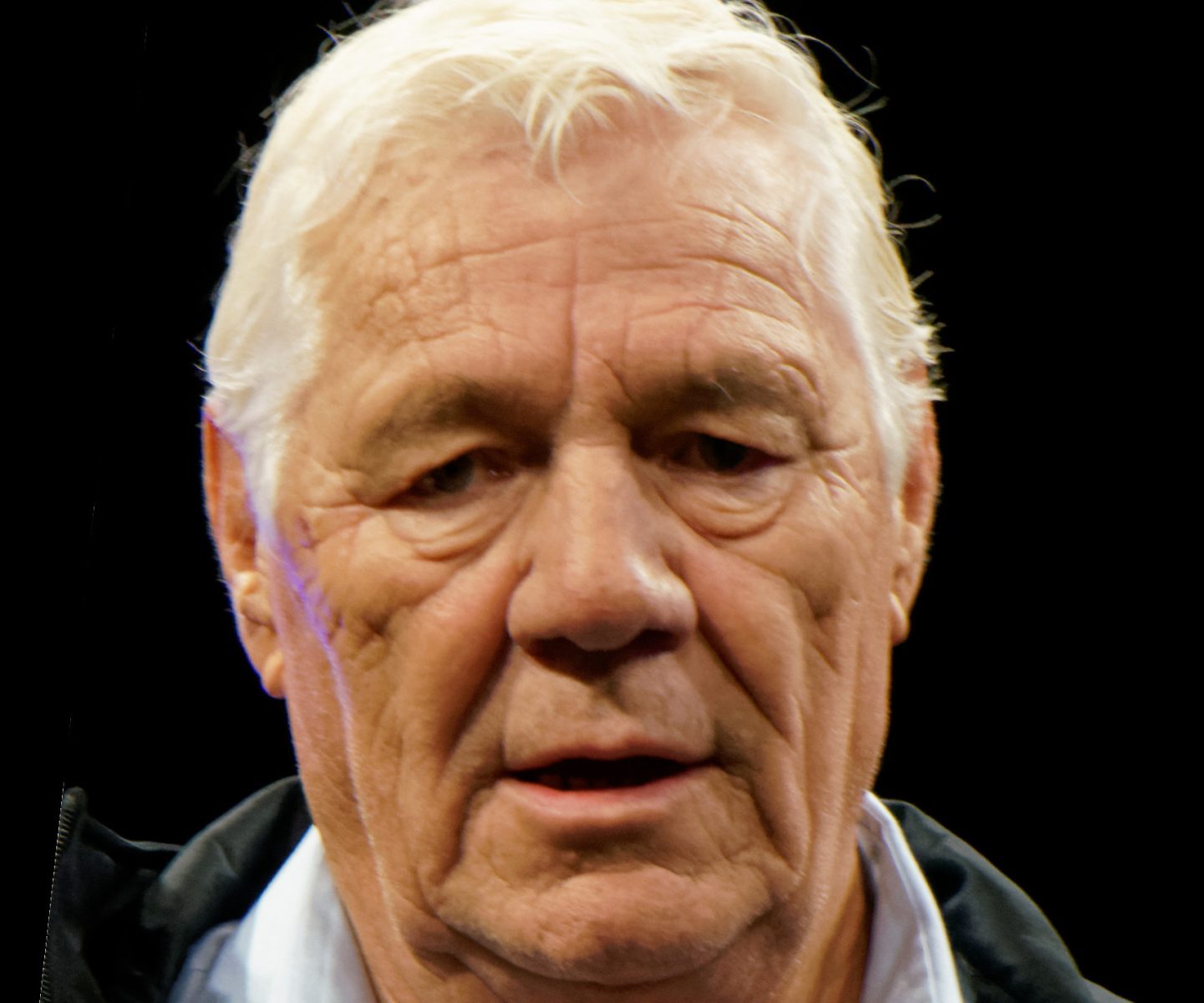
Pat Patterson, 1941–2020
He spent decades in the brightest spotlight in wrestling, then did his most important work in the shadows. Pat Patterson was the kind of figure fans argued about without always realizing they were arguing about him: the finishes, the pacing, the rhythm of a WWF main event, the way a match “made sense.” His name rarely sat on the marquee, but his fingerprints did.
Ring Names: Pat Patterson
Patterson’s story is often told as a straight climb: a tough kid who became a trusted lieutenant in the world’s biggest wrestling company. The truth reads messier and more human. In pro wrestling, trust is currency, and Patterson earned an unusual amount of it. He became a performer, then a behind-the-scenes architect, then a living bridge between eras—one of the people who helped translate old-school ring craft into the slick, television-first machine WWF became.
Patterson was born in 1941 and died in 2020. Between those dates sits a career that mattered in two different ways: what he did in the ring, and what he helped other people do once he stepped out of it.
As a wrestler, Patterson worked in an era when the business still ran on regional loyalties and long drives, when a reputation traveled by word of mouth and the occasional grainy tape. He became known as a reliable hand—someone who could work, who could be trusted to deliver, who understood the unspoken contract between wrestler and crowd.
He was the first ever Intercontinental champion in WWF, winning the title in a mystery tournament in Rio de Janeiro. While the tournament existed only in kayfabe, Pat Pattersons impact in setting the tone for the title as “the worker’s belt,” was real.
Then came the second act, the one that made him indispensable to WWF. Patterson became a key backstage voice, a person involved in shaping matches and finishes, helping wrestlers find the cleanest version of a story inside the ropes. In a business that sells chaos, he was part of the quiet order behind it. If you’ve ever watched a WWF match that felt like it had a beginning, a middle, and an end—like it built to something instead of simply happening—Patterson’s influence is part of that lineage.
For most of his public life, Pat Patterson lived in a business that was all about bravado and punished softness. Pro wrestling, especially in the eras Patterson came up in, ran on locker-room codes: keep your private life private, keep your vulnerabilities buried, keep moving. Within that world, Patterson was gay. That fact matters because it wasn’t a footnote to his career; it was part of the pressure system around it, shaping what he could say out loud and when, and what other people felt entitled to say about him when they wanted to wound him.
Patterson eventually spoke publicly about being gay, and his openness landed with the weight of someone who had spent decades navigating a culture that rarely made room for it. It also forced an uncomfortable clarity: wrestling had long made space for rumors and slurs while demanding silence from the people at the center of them. Patterson’s story, in that sense, reads like a timeline of the industry itself, from an old world of coded whispers to a later moment where saying the truth became possible, even if it came late and carried scars.
His legacy also sits inside wrestling’s complicated culture: a world that can be both fiercely loyal and brutally selective about who gets protected, who gets celebrated, and who gets remembered honestly. Patterson remained a prominent figure for years, respected for his mind and his taste, and emblematic of how power in wrestling often lives away from the camera.
He died in 2020, closing the book on a life that helped write a lot of other people’s chapters.
Leave a Comment